⚡ Engineering Insight
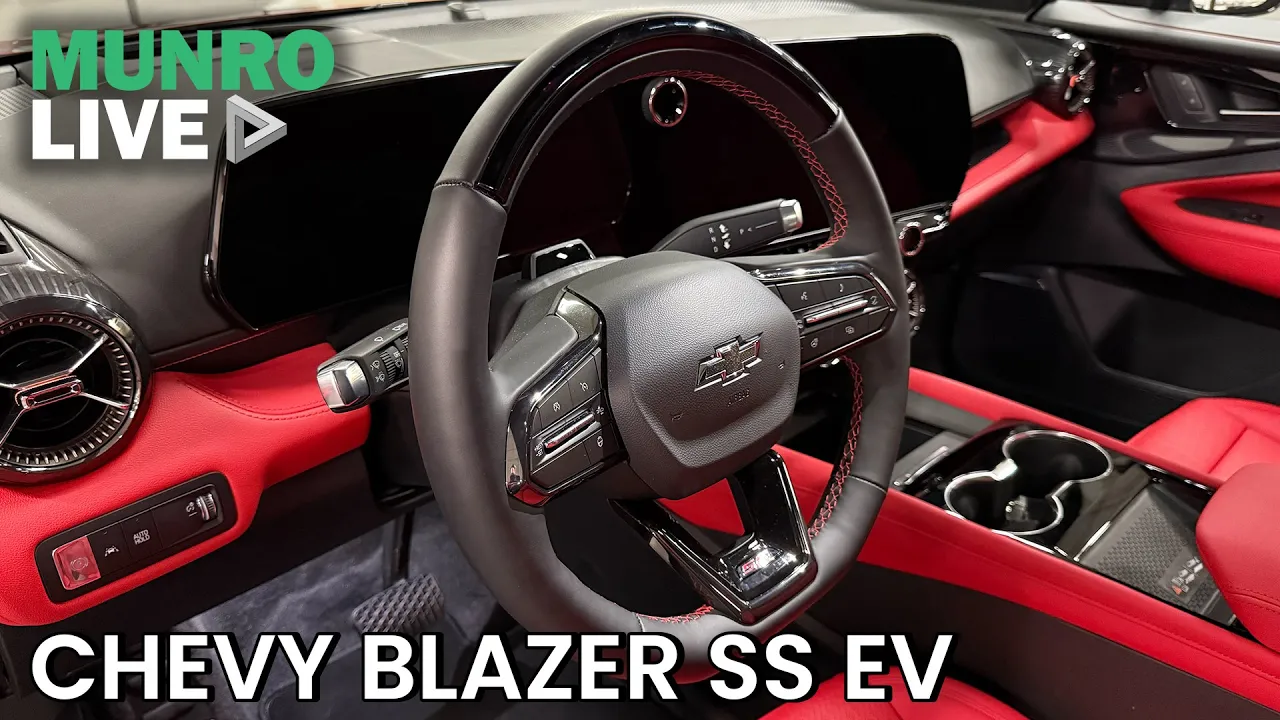
The 2026 Chevy Blazer SS EV interior review by Munro Live offers a compelling look at the intricate balance between design, functionality, and cost-efficiency – principles that resonate deeply within electrical engineering disciplines. From an EE perspective, every material choice, every omitted decorative panel, and every ergonomic decision has a direct ripple effect on the vehicle's electrical architecture, power budget, and Bill of Materials (BOM).
Consider the emphasis on "smart cost-saving decisions," such as the exposed electric motor. While seemingly a mechanical aesthetic choice, this directly impacts electrical system design. An exposed motor necessitates meticulous Electromagnetic Compatibility (EMC) and Electromagnetic Interference (EMI) shielding design to prevent electrical noise propagation that could disrupt sensitive control units, infotainment systems, or even driver-assist features. The absence of additional decorative panels not only reduces part count but also streamlines wiring harness routing, minimizes connector requirements, and reduces the overall complexity of the electrical distribution system – a true embodiment of Munro's Lean Design® philosophy.
Conversely, the specification of "generic seat plastics" and a "passenger-only map pocket" highlights the granular optimization of the BOM. While these might seem minor, at scale, such decisions significantly impact material costs, tooling, and assembly time. From an electrical standpoint, simpler material choices often translate to less complex embedded electrical components (e.g., fewer sensors for material quality, simpler heating/cooling elements with reduced wiring intricacy). The decision to omit a driver-side map pocket, for instance, reduces material, but also eliminates associated mounting hardware and, potentially, any integrated lighting or sensor wiring, simplifying a localized harness segment. These micro-optimizations contribute to the overall vehicle profitability and allow budget reallocation towards critical performance areas, such as advanced power electronics like Silicon Carbide (SiC) inverters or sophisticated Field-Oriented Control (FOC) algorithms for the Variable Frequency Drive (VFD) of the motor, which are crucial for efficiency and range.
🛠️ Key Specs & Data
- Design Philosophy: Application of Lean Design® principles focusing on cost, functionality, and manufacturing optimization.
- BOM Impact: Direct correlation between interior material selection (e.g., seat plastics, paneling) and overall vehicle Bill of Materials, influencing electrical component and harness costs.
- Electrical Architecture Streamlining: Reduced decorative panels lead to simpler wire routing, fewer connectors, and optimized harness designs, minimizing weight and complexity.
- EMC/EMI Considerations: Exposed electric motor design necessitates rigorous electromagnetic compatibility engineering to ensure system integrity.
- Feature Segmentation: Strategic omission of features (e.g., driver-side map pocket) for targeted cost reduction, impacting localized wiring and HMI complexity.
- Scalability of Savings: Small per-unit cost reductions in materials and electrical components yield substantial savings at high production volumes.
⚖️ Pros & Cons
Pros:
- Optimized BOM & Manufacturing: Clear evidence of aggressive cost reduction strategies through Lean Design®, directly impacting the electrical subsystem's BOM by simplifying harnesses, reducing component count, and streamlining assembly.
- Enhanced Budget Allocation: Cost savings from interior design can be re-invested into core EV performance technologies, such as higher efficiency SiC power modules for the VFD or advanced battery management systems.
- Reduced Complexity: Simpler interior designs inherently lead to less complex electrical distribution systems, improving reliability and ease of diagnostics.
- Functional Transparency: The exposed electric motor, while challenging for EMC, promotes a transparent engineering aesthetic, focusing on core functionality.
Cons:
- Perceived Value Reduction: "Generic" materials and feature omissions may detract from the premium feel, potentially impacting customer perception despite underlying electrical sophistication.
- EMC/EMI Challenges: Exposed electrical components like motors demand extensive design validation to prevent interference with other vehicle electronics, potentially increasing R&D costs in that specific domain.
- Limited HMI Customization: Cost-driven feature segmentation might restrict advanced Human-Machine Interface (HMI) functionalities, potentially limiting user personalization and convenience.
- Risk of Over-Optimization: While Lean Design® is powerful, excessive cost-cutting can sometimes lead to a "cheap" feeling or compromise the user experience if not balanced judiciously with market expectations.
Conclusion
The 2026 Chevy Blazer SS EV interior serves as a prime case study in the relentless pursuit of cost optimization within the automotive industry, viewed through a critical engineering lens. For an Electrical Engineer, it underscores that interior design choices are not merely aesthetic; they are deeply intertwined with the complexity, cost, and performance of the entire electrical architecture. Every decision, from material selection to component placement, directly influences the BOM, manufacturing efficiency, and the critical balance between functionality and profitability. The application of Lean Design® principles, as championed by Munro, is evident in these strategic trade-offs, showcasing how smart engineering can deliver a competitive product even when navigating stringent cost targets. The challenge remains to deliver this efficiency without compromising the essential user experience, a continuous tightrope walk for any OEM.
Source: 2026 Chevy Blazer SS EV Interior Review: Balancing Cost, Materials, and Functionality


