🚀 Insight
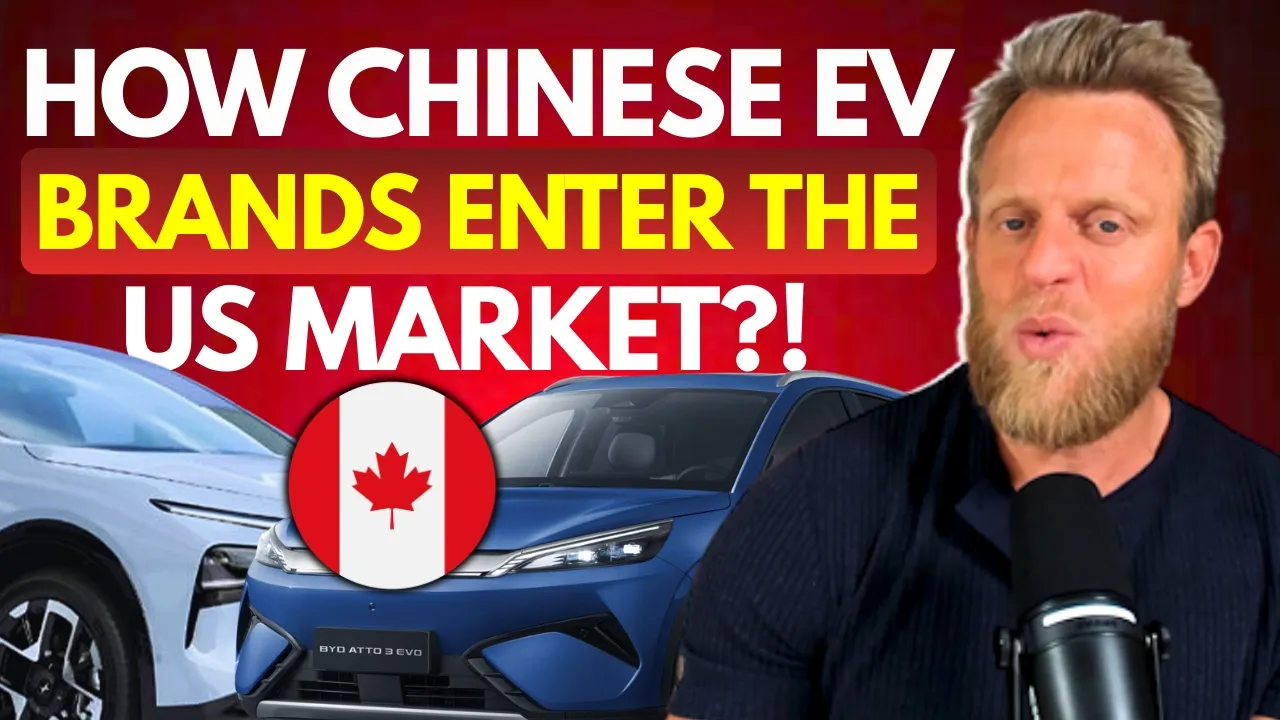
The global electric vehicle (EV) landscape is bracing for a potential paradigm shift. Reports indicate that Canada is actively exploring partnerships to establish domestic manufacturing of Chinese EVs, not just for its own market, but critically, for **global export**. This isn't merely a strategic maneuver; it's a profound realignment that could redefine North America's role in the burgeoning EV supply chain, directly challenging existing trade dynamics, potentially complicating U.S. policy, and accelerating the global footprint of Chinese EV brands. This move signals a willingness to engage with China's automotive prowess on North American soil, a prospect laden with both immense opportunity and significant geopolitical complexities.
⚙️ Deep Dive
- A Geopolitical Chess Move: For Canada, this initiative presents a tantalizing opportunity to become a significant player in advanced manufacturing, attracting foreign investment and creating high-tech jobs. For China, it represents a shrewd strategy to bypass increasingly protectionist barriers, particularly those in the United States. By manufacturing in Canada, Chinese EV brands, renowned for their rapid innovation and cost-effectiveness, could gain crucial access to Western markets under a "Made in Canada" label, potentially circumventing existing tariffs and trade restrictions that target direct Chinese imports.
- Challenging the Status Quo & U.S. Policy: The most immediate friction point would undoubtedly be with the United States. The Biden administration's Inflation Reduction Act (IRA) heavily incentivizes North American-made EVs and battery components, largely to counter Chinese dominance and bolster domestic industry. A Canadian-Chinese EV manufacturing alliance would directly test the spirit, if not the letter, of these policies. Could these 'Made in Canada' Chinese EVs qualify for IRA benefits, creating a complex new precedent? Or would it spark new trade disputes and force a re-evaluation of what constitutes 'North American' manufacturing?
- Market Disruption & Consumer Dynamics: From a market perspective, this could unleash an unprecedented wave of competition. Chinese EV makers, increasingly sophisticated in technology and design, would gain a powerful launchpad into global markets previously difficult to penetrate. This influx could translate into more diverse, potentially more affordable EV options for consumers worldwide, accelerating overall EV adoption rates. However, it would also exert immense competitive pressure on legacy automakers in North America and Europe, forcing them to innovate faster and more efficiently.
- Supply Chain Considerations: While potentially diversifying the North American supply chain, this move also introduces new dependencies. The critical question remains regarding the origin of battery components and other key materials. Will Canada develop its own full-stack supply chain to support these ventures, or will it remain reliant on Chinese inputs, albeit assembled domestically? This intricate dance of global sourcing will be crucial for the long-term viability and strategic independence of such an alliance.
💡 Verdict
The prospect of Canada becoming a manufacturing hub for Chinese EVs for global export is a high-stakes gamble with potentially revolutionary payoffs. It forces North America, and indeed the world, to confront the 'inevitable' reality of China's ascendance in the EV sector. This move could either forge a new era of diversified global supply chains and accelerated EV adoption, or it could ignite unprecedented trade tensions and force a profound recalibration of existing industrial and geopolitical strategies. One thing is clear: the global EV race just got a whole lot more interesting, and the lines between 'domestic' and 'foreign' manufacturing are blurring in fascinating, disruptive ways. Analysts, policymakers, and industry leaders worldwide will be watching intently to see if this audacious Canadian exploration turns into the blueprint for the next chapter of the automotive industry.
Source: INEVITABLE?! Canada Wants To Build Chinese EVs for Global Export
🛠️ Dive Deeper into the Engineering Core
👉 Click here to read the full technical breakdown on our Community Forum!


