🚀 Insight
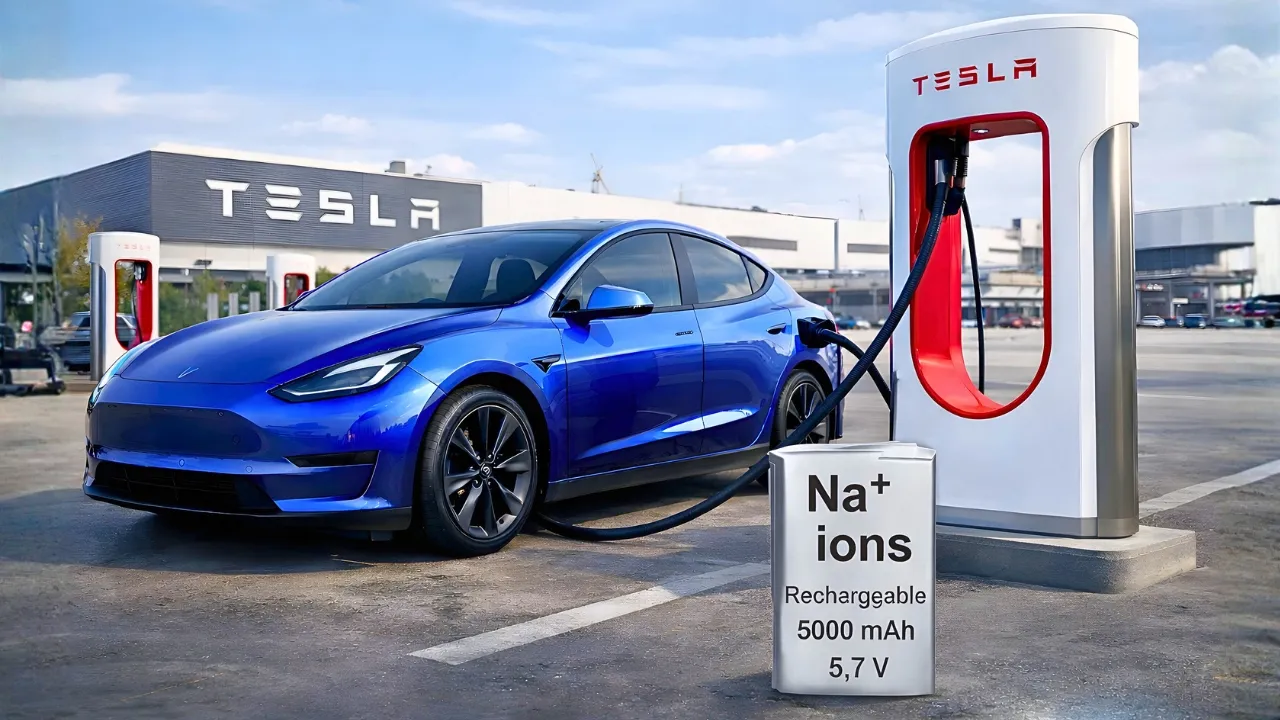
The electric vehicle industry is currently witnessing its "iPhone moment." For years, the limitations of liquid-electrolyte lithium-ion batteries—namely range anxiety and long charging times—have been the primary hurdles to mass-market adoption. Tesla’s latest pivot toward high-density Solid-State Battery (SSB) technology, paired with their proprietary Dry Electrode manufacturing process, effectively dismantles these barriers. By achieving an energy density of up to 600 Wh/kg, Tesla isn't just improving the EV; they are fundamentally rewriting the physics of transportation, offering a 700-mile range that outclasses most internal combustion engines on a single tank.
⚙️ Deep Dive
- Energy Density Leap: Traditional batteries hover around 250-300 Wh/kg. Tesla’s new solid-state trajectory targets 450-600 Wh/kg, allowing for smaller, lighter battery packs that deliver significantly more power.
- The 5C Charging Standard: Thanks to the stability of solid-state electrolytes, these batteries can handle "5C" charging rates. This translates to a 15-minute 0-80% charge without the thermal runaway risks associated with liquid electrolytes.
- Dry Electrode Manufacturing: While competitors struggle with the "wet" coating process that requires massive ovens and toxic solvents, Tesla’s Dry Electrode technology allows them to scale solid-state production faster and at a much lower cost.
- 20-Year Lifespan: With a rating of 3,000+ charge cycles, these batteries are designed to outlast the vehicle itself, potentially reaching 1 million miles of total driving life.
- The "Model 2" Strategy: The integration of this tech into a budget-friendly platform (often dubbed the Model 2) could provide a 700-mile range at a price point that makes gas cars obsolete overnight.
- The Competitive Edge: While Toyota holds numerous solid-state patents, Tesla’s advantage lies in manufacturing execution. The bridge from the lab to the assembly line is where Tesla is currently leading.
💡 Verdict
The transition to solid-state technology is no longer a "if," but a "when." Tesla’s ability to marry high-density chemistry with the Dry Electrode manufacturing process gives them a clear path to dominance in the next decade. If these specs—700 miles of range and 15-minute charging—hit the mass market via a budget-friendly Model 2, the traditional automotive industry won't just be disrupted; it will be forced into a total evolution. For investors and tech enthusiasts, the message is clear: the hardware bottleneck of the EV revolution has finally been broken.
Source: Tesla's New Battery FINALLY HERE: Charge 15 Min, Drive 700Mi. What's SHOCKING?
🛠️ Dive Deeper into the Engineering Core
👉 Click here to read the full technical breakdown on our Community Forum!


